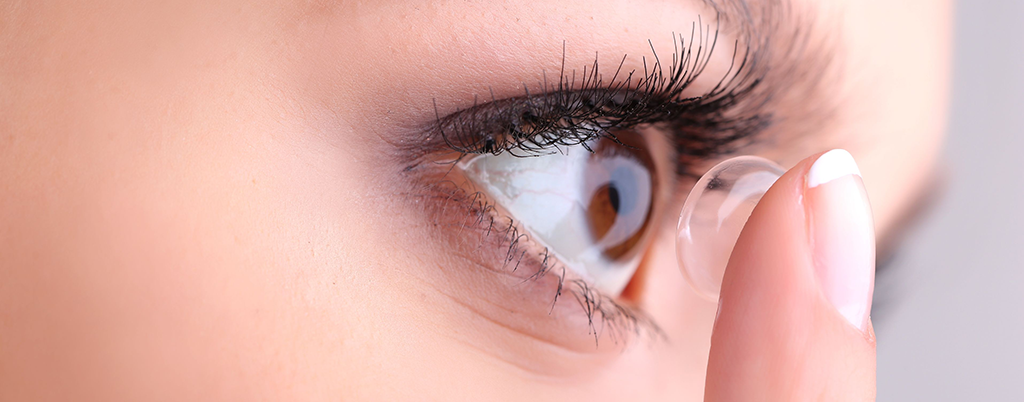
Contact lenses correct your vision and are easy to wear. Choosing the contact lenses that are right for you depends on your vision and comfort. There are many types of contacts to suit almost anyone. Types of contact lenses include:
The most frequently prescribed due to their tremendous comfort. Soft contacts are now available for patients with astigmatism or dry eyes and can even change the color of your eyes. Soft contact lenses include:
For those who have relied on glasses for years, the idea of switching to contacts can feel like stepping into the unknown. While glasses have been a trusted companion, offering clarity and comfort through familiar frames, the convenience and freedom that contacts provide are increasingly appealing. In Staten Island, where lifestyles are as diverse as the neighborhoods themselves, more residents are exploring this transition as a way to adapt their vision care to their active routines. Whether it’s the ease of slipping in a pair of lenses in the morning or the simplicity of a clear, frameless view, contacts represent a modern solution to an age-old need.
Click to Read
Also called rigid or gas-permeable lenses, they offer sharper vision and can correct nearsightedness or astigmatism. However, hard contact lenses take longer to adjust to than soft contact lenses.
At Vision Gallery we offer all types and brands of contact lenses specifically fitted for each individual's needs. It is very important that your lenses are fitted correctly based on your prescription, eye shape and specific needs.
Contact lenses are medical devices and are regulated by state and federal law. A contact lens prescription is valid for ONE (1) year from your eye examination. Once the prescription has expired, lenses may not be replaced. Do not wait until you are out of lenses to return for your annual eye examination. These laws are meant to ensure your ocular health so that you may enjoy many years of contact lens wear. The yearly visit allows us to check for any potential problems in their early stages, often before symptoms are present.